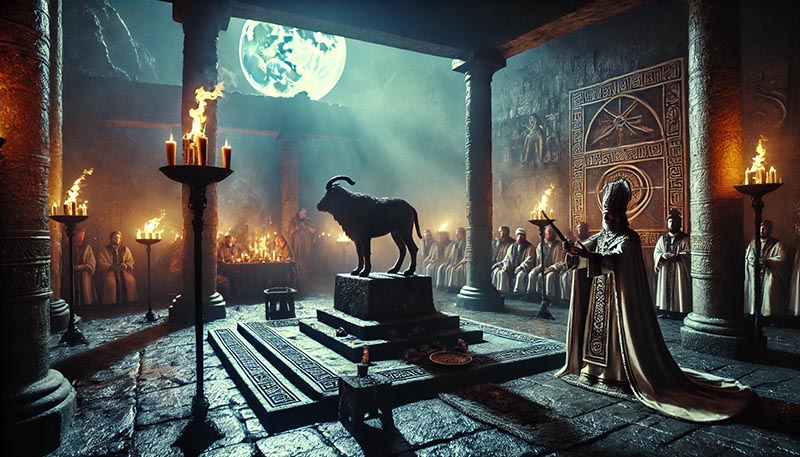

Did you know that over 200 bog bodies have been discovered across Europe, many showing signs of violent deaths? These remains, like the famous Fissured Fred, reveal chilling evidence of human sacrifice in ancient times. Such practices were often tied to the belief that offering lives could appease powerful gods.

From Roman historians to modern archaeologists, the stories of these acts have fascinated and horrified us. They weren’t random but deeply rooted in cultural and spiritual beliefs. Weapons, offerings, and remains found at excavation sites paint a vivid picture of these ancient customs.
This article dives into the archaeological, mythological, and cultural narratives behind these practices. It’s a journey into a complex yet intriguing world that shaped civilizations. Let’s explore the evidence and uncover the reasons behind these dark yet fascinating traditions.
Key Takeaways
- Bog bodies provide evidence of human sacrifice in ancient societies.
- These acts were often performed to appease gods.
- Examples like Fissured Fred highlight the violent nature of these practices.
- Weapons and offerings were commonly found with remains.
- These customs were deeply tied to cultural and spiritual beliefs.
- Origins and Significance of Ancient Rituals
- Archaeological Finds and the Evidence of Sacrifice
- Roman, Greek, and Celtic Perspectives on Sacrifice
- Human Sacrifice in Early Agricultural Societies
- Aztec Ceremonies and Ritual Cannibalism
- Rituals and Sacrifices: The Dark Side of Ancient Societies
- The Interplay of Religion, Power, and Society
- Sacrificial Practices in Royal Tombs and Retainer Rituals
- Legal, Ethical, and Modern Reflections on Human Sacrifice
- Warfare, Captivity, and the Role of Sacrifice in Empires
- Cultural Narratives and the Evolution of Sacrificial Rituals
- Regional Comparisons: Europe, Asia, America, and Beyond
- Conclusion
- FAQ
- What evidence supports the existence of human sacrifice in ancient societies?
- Why did ancient cultures perform human sacrifice?
- Were children ever victims of human sacrifice?
- How did the Aztecs conduct their sacrificial ceremonies?
- Did European societies practice human sacrifice?
- How did religion influence sacrificial practices?
- Were there any legal bans on human sacrifice in history?
- What role did warfare play in sacrificial rituals?
- How do modern scholars view ancient sacrificial practices?
- Were there regional differences in sacrificial practices?
Origins and Significance of Ancient Rituals
Long before written records, early communities practiced rituals tied to survival and spirituality. These customs were not random but deeply rooted in their daily lives. They believed such acts could ensure prosperity and divine favor.
The Prehistoric Foundations
In prehistoric times, people viewed sacrifice as essential for agricultural fertility. Offering a life or valuable objects was thought to please the gods. This practice ensured bountiful harvests and community survival.
Archaeological sites like Sigersdal provide evidence of these early customs. Remains found there show signs of deliberate placement and ritual treatment. These findings highlight the importance of these acts in their society.
Symbolism and Cultural Impact
The treatment of human remains and ritual objects held deep meaning. Items buried with the dead often symbolized their journey to the afterlife. These practices reflected how societies interpreted death and its significance.
Such rituals also reinforced community values and societal order. They united people under shared beliefs and traditions. This cultural impact shaped the development of early civilizations.
| Region | Common Practices | Symbolic Objects |
|---|---|---|
| Europe | Agricultural sacrifices | Tools, pottery |
| Egypt | Offerings to gods | Jewelry, statues |
| Mesopotamia | Ritual burials | Weapons, amulets |
These examples show how early practices evolved into complex traditions. They laid the foundation for the rituals seen in later dynasties. Understanding these origins helps us grasp their lasting significance.
Archaeological Finds and the Evidence of Sacrifice
Archaeological discoveries have unveiled chilling evidence of sacrificial practices in early societies. Sites like Fiskerton, where the remains known as Fissured Fred were found, provide a haunting glimpse into these customs. Alongside human remains, weapons and tools were deliberately placed, suggesting these items were offerings.
Dating back over 2,500 years, these findings reshape our understanding of ancient communities. The deliberate placement of swords and tools indicates a structured approach to these acts. Such discoveries challenge previous assumptions about prehistoric practices.
Modern archaeologists often debate the fine line between ritual sacrifice and murder. While some view these acts as spiritual offerings, others interpret them as violent crimes. This debate highlights the complexity of interpreting ancient evidence.
Excavations at Fiskerton and similar sites reveal how deeply these practices were embedded in society. They were not random but tied to cultural and spiritual beliefs. These findings illuminate the darker aspects of early human history.
Roman, Greek, and Celtic Perspectives on Sacrifice
The ancient world was shaped by diverse beliefs about life, death, and the divine. While some cultures saw sacrifice as a sacred duty, others viewed it with skepticism or outright condemnation. These contrasting perspectives reveal how deeply these practices were tied to cultural identity.
Accounts by Roman Historians
Roman historians like Strabo, Diodorus Siculus, and Julius Caesar left detailed records of ritual killings among the Celts and Germans. Caesar, in his Commentarii de Bello Gallico, described how the Celts believed such acts could appease their gods. He wrote,
“They believe that the immortal gods are more easily moved by the slaughter of men.”
These accounts often carried a tone of criticism. The Romans saw these practices as barbaric, contrasting them with their own more “civilized” rituals. This narrative helped justify Roman expansion into Celtic territories.
Celtic Rituals and the Wicker Man Tradition
Among the most haunting stories is the wicker man tradition. According to Strabo, the Celts constructed giant wooden figures filled with living beings. These structures were then set ablaze as offerings to the gods. This practice symbolized the cycle of life and death, central to Celtic spirituality.
Greek writers, on the other hand, often focused on the symbolic aspects of sacrifice. They saw it as a way to maintain cosmic balance. This contrast highlights how different cultures interpreted similar practices.
| Culture | Perspective | Key Practice |
|---|---|---|
| Roman | Critical | Documented killings as barbaric |
| Celtic | Sacred | Wicker man tradition |
| Greek | Symbolic | Cosmic balance |
These stories from the ancient world continue to shape our understanding of these cultures. They remind us of the complex ways societies have grappled with questions of life, death, and the divine.
Human Sacrifice in Early Agricultural Societies
The rise of farming brought with it practices that shaped societal power structures. Early agricultural communities believed that offering lives could secure divine favor. These acts were not random but tied to critical cycles like planting and harvest seasons.

In Mesopotamia, royal tombs contained evidence of mass sacrifices. Servants were often buried alongside rulers to serve them in the afterlife. This practice reinforced political power and united the community under shared beliefs.
In China, sites like Anyang reveal similar customs. Sacrifices were performed to ensure prosperity and stability. These acts were deeply tied to the concept of empire-building, as rulers sought to legitimize their authority.
Ritual Acts Across Europe and Asia
Priests played a central role in performing these acts. They acted as intermediaries between the people and the gods. Their involvement added a layer of spiritual authority to the process.
In Europe, archaeological finds show how these practices evolved. From simple offerings to complex ceremonies, they reflected the growing complexity of early societies. These rituals were not just about survival but also about maintaining order.
As empires expanded, so did the scale of these practices. They became tools for intimidation and control. This evolution highlights the darker side of early civilizations, where power and sacrifice were deeply intertwined.
Aztec Ceremonies and Ritual Cannibalism
The Aztec civilization is often remembered for its grand ceremonies and complex belief systems. At the heart of their practices was the Templo Mayor, a towering structure where sacrifices were performed to honor their gods. These acts were not random but deeply tied to their view of the cosmos and warfare.
Templo Mayor and the Altars of Sacrifice
The Templo Mayor was the center of Aztec religious life. Here, priests used obsidian blades to remove the hearts of victims as offerings. These ceremonies were believed to sustain the universe and ensure the gods’ favor. Recent archaeological finds confirm the scale of these practices, with thousands of remains discovered at the site.
Spanish conquistadors documented these rituals in detail. One account describes how victims were led up the temple steps, their hearts extracted, and their bodies thrown down. This gruesome process was seen as a sacred duty, ensuring the balance of the world.
Flower Wars and the Capture of Victims
Flower Wars were a unique form of conflict designed to capture victims for sacrifice. These battles were not about conquest but about securing offerings for the gods. Captives were treated as honored guests before their final role in the ceremonies.
These wars were socially and politically motivated. They reinforced the power of the Aztec elite and united the community under shared beliefs. The practice spanned several centuries, deeply influencing Aztec culture.
“The gods demand blood to sustain the world, and we must provide it.”
Ritual cannibalism was another aspect of these ceremonies. Consuming parts of the victim was believed to transfer their strength and vitality to the participants. This act was intended to have supernatural effects, ensuring the community’s prosperity.
| Practice | Purpose | Tools Used |
|---|---|---|
| Heart Extraction | Honor the gods | Obsidian blades |
| Flower Wars | Capture victims | Weapons, nets |
| Ritual Cannibalism | Transfer strength | Ceremonial knives |
These practices highlight the Aztec’s intricate belief system. They saw sacrifice as essential for maintaining cosmic order and ensuring their survival. Understanding these customs provides insight into one of history’s most fascinating civilizations.
Rituals and Sacrifices: The Dark Side of Ancient Societies
Archaeological evidence reveals a chilling truth about the role of children in ancient sacrificial practices. From the Aztec empire to other cultures, these acts were not only widespread but also deeply symbolic. The remains of young victims and specific body parts offer a haunting glimpse into these traditions.
Children in Sacrificial Rites
Excavations across various sites have uncovered remains of children, suggesting their involvement in these grim customs. In the Aztec civilization, young individuals were often chosen as offerings to the gods. This practice was believed to ensure divine favor and maintain cosmic balance.
In Europe, discoveries like the bog bodies include children, indicating that these practices were not limited to one region. These findings challenge our understanding of ancient societies, revealing a darker aspect of their spiritual beliefs.

The Significance of Body Parts
Specific body parts played a crucial role in these rituals. The Aztec, for instance, often removed hearts as offerings to their deities. This act symbolized the transfer of life force and was central to their ceremonies.
Artifacts like ceremonial knives and altars provide evidence of these practices. The deliberate cutting and offering of body parts highlight the precision and significance of these acts. Such discoveries have reshaped historians’ interpretations of ancient sacrifices.
Artifacts and Their Meanings
Tools and objects found at excavation sites shed light on these practices. Obsidian blades, for example, were commonly used in Aztec ceremonies. These artifacts attest to the structured and ritualistic nature of these acts.
Offerings like jewelry and pottery were also discovered, suggesting a connection between material wealth and spiritual beliefs. These items were often buried with the victims, symbolizing their journey to the afterlife.
| Culture | Key Practice | Artifacts Found |
|---|---|---|
| Aztec | Heart Extraction | Obsidian blades, altars |
| European | Bog Burials | Jewelry, pottery |
| Mesopotamian | Mass Sacrifices | Tools, amulets |
These findings underscore the complexity of ancient sacrificial practices. They reveal how deeply these acts were embedded in cultural and spiritual beliefs. Understanding these traditions provides a window into the darker aspects of human history.
The Interplay of Religion, Power, and Society
Throughout history, the relationship between religion, power, and society has shaped the lives of countless individuals. Ancient cultures often viewed the body as a vessel for sacrifice and a conduit to the divine. These practices were deeply rooted in their belief systems, reflecting their understanding of life, death, and the cosmos.
Afterlife Beliefs and Divine Intervention
Many ancient societies believed that offering a man as a sacrifice could secure divine favor. This act was seen as a way to maintain cosmic balance and ensure prosperity. For example, in Mesoamerican cultures, the heart of a man was often offered to the gods to sustain the universe.
The concept of time played a crucial role in these practices. Many cultures viewed time as cyclical, with sacrifices marking key moments of renewal. This belief reinforced the idea that such acts were necessary for the continuation of life and the stability of society.
Archaeological evidence supports these ideas. Remains found at various sites show deliberate placement and treatment, indicating a structured approach to these acts. These findings highlight the significance of the body in ancient rituals.
| Culture | Belief | Practice |
|---|---|---|
| Mesoamerican | Cosmic balance | Heart extraction |
| Egyptian | Afterlife journey | Burial with offerings |
| Celtic | Cyclical renewal | Seasonal sacrifices |
These practices were not isolated but tied to broader societal structures. Religion often served as a tool for maintaining power and order. By performing sacrifices, leaders could demonstrate their connection to the divine and reinforce their authority.
Understanding these beliefs provides insight into the complex interplay of religion, power, and society. It reveals how ancient cultures navigated questions of life, death, and the divine, shaping their world in profound ways.
Sacrificial Practices in Royal Tombs and Retainer Rituals
Royal tombs in ancient civilizations were more than burial sites; they were stages for elaborate sacrificial ceremonies. These acts were deeply tied to the beliefs and power structures of the time. They reflected the intersection of culture and religion, shaping the way societies viewed life and death.
Egyptian and Mesopotamian Examples
In ancient Egypt, pharaohs were often buried with retainers and servants. These individuals were sacrificed to accompany the ruler in the afterlife. This practice was believed to ensure the king’s continued authority and divine favor. Tombs like those in the Valley of the Kings reveal evidence of these ceremonies.
Similarly, in Mesopotamia, royal burials included mass sacrifices. Servants and soldiers were buried alongside kings to serve them in the afterlife. These acts were not just about honoring the dead but also about maintaining the divine order of the kingdom.
These practices highlight the role of ritual killing in reinforcing societal hierarchies. They were not random but carefully planned to reflect the values and beliefs of the time. Such ceremonies were a blend of state ritual and religious significance.
| Civilization | Practice | Purpose |
|---|---|---|
| Egypt | Retainer Sacrifice | Ensure afterlife authority |
| Mesopotamia | Mass Sacrifices | Maintain divine order |
These examples show how sacrificial practices were embedded in the culture of ancient societies. They were tools for maintaining power and reinforcing religious beliefs. Understanding these rituals provides insight into the complex world of early civilizations.
Legal, Ethical, and Modern Reflections on Human Sacrifice
Over time, societies began to question the morality of ritual killings. What was once a widely accepted act became a subject of intense scrutiny. This shift marked a turning point in how cultures viewed life and death.
In classical antiquity, many civilizations started to see practice human sacrifice as barbaric. Legal systems began to emerge, categorizing such acts as murder. This change reflected evolving ethical standards and a growing emphasis on human rights.
Historical Bans and Moral Shifts
Ancient legal codes played a crucial role in ending the practice human sacrifice. For example, Roman law explicitly prohibited the act, labeling it a crime against humanity. This stance was echoed in later legal systems, which reinforced the idea that taking a life for ritual purposes was unacceptable.
These bans were not just legal measures but also moral statements. They signaled a shift in how societies understood the value of human life. As cultures evolved, so did their ethical frameworks, leading to the complete rejection of such practices.
Modern debates often echo these ancient concerns. While the state no longer sanctions killing for ritual purposes, discussions about capital punishment and war raise similar ethical questions. These conversations highlight the enduring complexity of balancing justice, morality, and societal norms.
| Era | Legal Stance | Impact |
|---|---|---|
| Ancient Rome | Prohibited sacrifice | Set moral precedent |
| Medieval Europe | Criminalized ritual killing | Reinforced human rights |
| Modern Times | Classified as murder | Reflected ethical evolution |
These changes remind us of the power of law and ethics in shaping society. They show how far humanity has come in its understanding of justice and the value of life.
Warfare, Captivity, and the Role of Sacrifice in Empires
Empires throughout history often used sacrifice as a means to assert dominance. These acts were not just spiritual but also strategic, designed to intimidate enemies and consolidate power. From the Roman Empire to the Aztecs, sacrifice became a tool for political control and social order.

Sacrifice as a Tool for Intimidation
In many empires, sacrifice was employed during warfare to instill fear. Historical accounts from writers like Tacitus and Livy describe how entire cities or groups were sacrificed to send a clear message. For example, the Romans documented the mass killings of captives to deter rebellion and assert their authority.
These acts were not random but calculated. They served as a reminder of the empire’s power and the consequences of defiance. The psychological impact of such practices often outweighed the physical loss, making them a potent tool for control.
Gendered Aspects of Sacrificial Victims
Historical records also highlight the role of women in sacrificial practices. In some cultures, women were chosen as offerings due to their symbolic significance. For instance, certain Mesoamerican accounts describe the sacrifice of women to honor fertility deities.
These gendered practices reveal how societal norms influenced sacrificial customs. Women were often seen as embodiments of life and renewal, making their offerings particularly meaningful in certain rituals.
Political Utility of Sacrifice
Sacrifice was not just a religious act but a political one. Empires used it to maintain order and reinforce hierarchies. By performing public sacrifices, leaders demonstrated their connection to the divine and their authority over life and death.
This practice was especially effective in newly conquered territories. It served as a stark reminder of the empire’s dominance and the futility of resistance. Over time, these acts became ingrained in the cultural fabric, shaping the identity of the empire.
| Empire | Practice | Purpose |
|---|---|---|
| Roman | Mass killings of captives | Deter rebellion |
| Aztec | Sacrifice of women | Honor fertility deities |
| Mesoamerican | Public sacrifices | Reinforce authority |
These examples illustrate the complex role of sacrifice in empires. It was a multifaceted tool, blending religion, politics, and warfare to shape the course of history.
Cultural Narratives and the Evolution of Sacrificial Rituals
The stories of sacrifice have evolved from literal acts to symbolic tales over centuries. What once was a tangible practice has transformed into a narrative that reflects deeper meanings. This shift reveals how societies reinterpreted their past to make sense of their present.
From Myth to Historical Reality
Ancient texts often describe sacrifice as a way to maintain balance in life. Over time, these accounts were reinterpreted as allegories rather than literal events. For example, the binding of Isaac in the Bible is now seen as a test of faith rather than an actual act of killing.
In Europe, myths like the festival of Argei in ancient Rome show this evolution. Initially, it involved the drowning of straw effigies, symbolizing earlier human sacrifices. This change in form highlights how rituals adapted to new cultural norms.
These reinterpretations shaped how we understand life and death today. They remind us that practices once considered essential were later viewed through a symbolic lens. This evolution reflects humanity’s ability to adapt and grow.
European mythologies, in particular, document these changes in ritual form. From the Celts to the Greeks, stories of sacrifice evolved from brutal acts to tales of divine intervention. This shift underscores the importance of narrative in shaping cultural identity.
“The gods demand not blood but devotion, and the stories we tell reflect this truth.”
Understanding this transformation helps us see how ancient practices influenced modern beliefs. It shows how the reinterpretation of past rituals informs our current understanding of life and its meaning.
Regional Comparisons: Europe, Asia, America, and Beyond
Across the globe, ancient societies developed unique sacrificial customs tied to their cultural beliefs. These practices varied widely, reflecting the values and priorities of each region. From the bog bodies of Europe to the grand temples of the Aztecs, the methods and meanings of sacrifice offer a window into the past.

Contrasting Practices and Beliefs
In Europe, bog bodies like Fissured Fred reveal a system of ritual killings tied to agricultural cycles. These acts were often performed to ensure fertility and prosperity. In contrast, the Aztecs viewed sacrifice as essential for maintaining cosmic balance. Their ceremonies at the Templo Mayor involved heart extraction, a stark difference from European methods.
Asian societies, such as those in China and Mesopotamia, practiced mass sacrifices in royal tombs. These acts were believed to secure the ruler’s authority in the afterlife. The role of the head or leader was central in these rituals, reflecting the hierarchical nature of these cultures.
University-led excavations have been instrumental in uncovering these differences. Research teams have analyzed remains and artifacts to piece together the cultural significance of these practices. This academic work has reshaped our understanding of ancient societies.
| Region | Key Practice | Cultural Significance |
|---|---|---|
| Europe | Bog sacrifices | Agricultural fertility |
| Aztec Empire | Heart extraction | Cosmic balance |
| China | Mass sacrifices | Royal authority |
These regional differences highlight how cultural beliefs shaped the practice human sacrifice. While the methods varied, the underlying goal was often the same: to secure divine favor and maintain societal order. Understanding these practices provides insight into the complex world of ancient civilizations.
Conclusion
Exploring the depths of ancient civilizations reveals a complex interplay of beliefs and practices. From the Aztec ceremonies in Mexico to early American narratives, these acts shaped regional histories and cultural identities. Though now condemned, they offer valuable insights into how societies understood the afterlife and honored their warriors.
These practices, while dark, were deeply tied to spiritual and societal values. They remind us of humanity’s ability to find meaning in life and death. By studying these traditions, we gain a deeper appreciation for the cultural forces that shaped our world.
We invite you to continue exploring these fascinating topics. Understanding the past helps us navigate the present and envision a more informed future.
FAQ
What evidence supports the existence of human sacrifice in ancient societies?
Archaeological discoveries, such as remains at Templo Mayor in Mexico and royal tombs in Egypt, provide physical proof. Written accounts from historians like Roman scholars also document these practices.
Why did ancient cultures perform human sacrifice?
Many believed it pleased their gods, ensured good harvests, or maintained cosmic balance. In societies like the Aztecs, it was tied to religion, power, and war.
Were children ever victims of human sacrifice?
Yes, evidence from sites like Carthage and Mesoamerica shows that children were sometimes chosen, often as offerings for fertility or protection.
How did the Aztecs conduct their sacrificial ceremonies?
The Aztecs used altars at Templo Mayor to perform ritual killings. Warriors captured during Flower Wars were often the victims, and cannibalism sometimes followed.
Did European societies practice human sacrifice?
Yes, groups like the Celts engaged in such acts. The Wicker Man tradition, described by Roman historians, is one example of ritual killings in Europe.
How did religion influence sacrificial practices?
Religion often justified these acts, linking them to afterlife beliefs or divine intervention. Leaders used them to assert power and unify the community.
Were there any legal bans on human sacrifice in history?
Yes, as societies evolved, bans were implemented. For example, the Roman Empire outlawed such practices as part of moral and legal reforms.
What role did warfare play in sacrificial rituals?
Warfare often provided victims for sacrifice. Empires like the Aztecs used it to intimidate enemies and reinforce their dominance.
How do modern scholars view ancient sacrificial practices?
Scholars analyze them through archaeology, history, and anthropology, examining their cultural, religious, and political significance.
Were there regional differences in sacrificial practices?
Absolutely. While the Aztecs focused on war captives, Celtic rituals involved symbolic offerings, and Asian societies often tied sacrifices to agricultural cycles.